Find Cheap Flights to Madagascar and Book Your Tickets Today
Compare thousands of flight deals to Madagascar. Use TICKETS.PE to find the best price and the most convenient route for your trip.














How Much Do Flights to Madagascar Cost?
Here you can see a quick summary of flight prices to Madagascar. This data helps you plan your budget and know when is the best time to buy your airline tickets.
Cheap Flight Deals to Madagascar
Compare prices for cheap air tickets to Madagascar, including the capital Antananarivo and Nosy Be. Search for economic flights to Madagascar and find the best offer for your trip with TICKETS.PE. We update deals daily.
Best Time to Buy Airfare to Madagascar
To secure cheap airline tickets to Madagascar, it is ideal to buy 4 to 6 months in advance. Waiting until the last minute can increase the cost by more than 20%. Planning ahead allows you to take advantage of flight deals to Madagascar from Peru and secure the best prices on airfare.
Practical Travel Guide for Madagascar from Peru
Understanding the practical aspects of traveling to Madagascar is key for a smooth trip. This guide covers everything from local transport to cultural customs, helping you prepare well.
Peruvian citizens need a visa to enter Madagascar. Fortunately, a visa on arrival can be obtained at major airports, such as Antananarivo (TNR) and Nosy Be (NOS). The tourist visa generally allows a stay of up to 90 days. Make sure your passport is valid for at least six months after the date of entry and have a return or onward ticket handy. Although the process is simple, it is advisable to carry cash for the visa fee and have copies of all your important documents. Always check the latest information with the Malagasy embassy before traveling, as rules can change without notice. It is also vital to have travel insurance that covers medical emergencies and evacuation, given the distance and limited infrastructure in some areas. Planning these details in advance reduces stress upon arrival and allows you to start your adventure immediately.
Transportation within Madagascar can be a challenge. For long distances, internal flights are the fastest option, connecting major cities like Antananarivo, Nosy Be, and Toliara. For ground travel, taxi-brousse (shared minibuses) are the most common and cheapest way, but they are slow, often crowded, and not always punctual. If you are looking for more comfort and flexibility, you can hire a car with a driver, especially if you plan to visit national parks or remote areas. In cities, taxis are common, but agree on the price before getting in, as they do not use meters. Keep in mind that major roads are in variable condition and journeys can take much longer than expected. For short distances, pousse-pousse (similar to rickshaws) are popular in many cities, offering a local and picturesque means of transport, although you must negotiate the fare firmly.
Madagascar offers a variety of accommodations, from luxury hotels in tourist areas like Nosy Be and Antananarivo, to simpler and cheaper options like 'hôtels de brousse' or hostels. In national parks and more remote areas, you will often find rustic bungalows or campsites. It is crucial to book in advance, especially during the high season (June to September), as availability can be limited, particularly in popular places. To save money, look for options outside the main tourist centers. Prices are often negotiable if you stay several nights, especially in local establishments. Be sure to check if the accommodation has reliable electricity and hot water, as this is not guaranteed everywhere. In large cities, international hotel chains offer higher standards of comfort, but at a significantly higher cost. Consider staying in community-managed accommodations near the parks for a more authentic experience and to support the local economy.
Madagascar is generally safe, but petty theft is common, especially in Antananarivo and other large cities. Keep your valuables out of sight and avoid walking alone at night, especially in poorly lit areas. Use registered taxis or transport services recommended by your hotel. Scams against tourists usually involve unofficial guides who offer services at inflated prices or try to take you to specific stores. Always hire guides through tourist offices or national parks. In markets, beware of pickpockets. Compared to Lima, the feeling of security may be similar in central areas, but poverty is more visible, increasing the need for caution. Never display large amounts of money in public. If driving, avoid doing so after dark due to poor lighting and road conditions. The best defense is to be aware of your surroundings and act discreetly at all times.
Malagasy culture is rich in traditions and respect for ancestors (known as 'fady'). 'Fady' are taboos that vary by region and family; it is important to ask locals or your guide about the specific 'fady' of the place you are visiting to avoid causing offense. Respect for elders is fundamental. When taking photos of people, always ask for permission first. Dressing modestly outside of beach areas is a sign of respect. The traditional greeting is a soft, prolonged handshake. Punctuality is not as strict as in Peru, so be patient with delays in transportation or appointments. Learning a few basic phrases in Malagasy, such as 'salama' (hello), is highly appreciated. An important tip: do not speak ill of the dead or ancestors, as this is considered extremely offensive. Showing appreciation for their culture and traditions will open many doors for you and allow you to interact more meaningfully with the local population.
The basis of Malagasy cuisine is rice ('vary'), served with a side dish ('laoka'). Common dishes include 'romazava' (a meat stew with leafy vegetables) and 'ravitoto' (pounded cassava leaves with pork). Seafood is excellent and fresh in coastal areas. For Peruvian travelers, the cuisine may seem less spicy and simpler. Try the 'brochettes' (meat skewers) sold at street stalls, but make sure they are well cooked. In larger cities, you can find restaurants offering French or international cuisine. Only drink bottled water and avoid ice unless you are sure of its origin. A very popular local dessert is 'koba', made of rice, peanuts, and sugar. For an authentic experience, look for 'hotelys' (small local restaurants) where the food is cheap and homemade. Don't miss the fresh tropical fruits, which are abundant and delicious. Always carry hand sanitizer with you, especially before eating.
Due to the tropical climate and outdoor activities, your luggage should be light and practical. Bring comfortable and breathable clothing, preferably in neutral colors if you plan to go on safaris or visit natural parks. A good insect repellent with DEET is crucial to protect yourself from mosquitoes and malaria. Don't forget a high-factor sunscreen, a hat, and sunglasses. For hikes, you will need sturdy, closed shoes. Pack a basic first-aid kit that includes stomach medicine, pain relievers, and water purification tablets. A light raincoat is useful, especially if traveling during the rainy season. Electricity can be intermittent, so a flashlight or headlamp and a portable charger are essential. Consider bringing a universal adapter. The weather can vary greatly between the coast and the highlands, so include a light sweater or jacket for cool nights in Antananarivo. Also, carry a physical copy of your travel documents and a dry bag to protect electronics from moisture.
To capture the essence of Madagascar, you must go beyond the tourist spots. A key tip is to spend time in local markets, such as the Zoma market in Antananarivo (if open), to observe daily life. For a spectacular photo, visit the Avenue of the Baobabs at sunset; the golden light on these giant trees is magical. Don't limit yourself to lemurs; also look for unique chameleons and frogs. To truly 'not be a tourist,' consider taking a Malagasy cooking class or spending a night in a rural village. This will give you a much deeper perspective on life on the island. Remember that patience is your best ally in Madagascar; things move at a different pace. Finally, TICKETS.PE strongly recommends visiting Ranomafana National Park for a complete immersion in biodiversity. It is a place where mist and jungle create a mystical atmosphere, perfect for photography and wildlife viewing.
Which airports to fly to in Madagascar from Peru?
To find cheap airline tickets to Madagascar, most flights from Peru will layover in Europe or Africa. The main airport is Antananarivo, but you can also find flights to Nosy Be if you are looking directly for the coast. Comparing prices between different arrival airports can help you secure a better deal.
Which airlines fly to Madagascar from Peru?
Due to the long distance, there are no direct flights to Madagascar from Peru. Routes require at least two layovers, usually passing through Europe (like Paris or Istanbul) or Africa (like Johannesburg or Nairobi). Comparing the options of major airlines will help you find cheap airfare to Madagascar.
Where to fly from Madagascar with TICKETS.PE?
Once in Madagascar, you can take the opportunity to explore other nearby destinations or return home. TICKETS.PE helps you find connecting flights and cheap airfare to various places, facilitating your journey to the island and beyond.


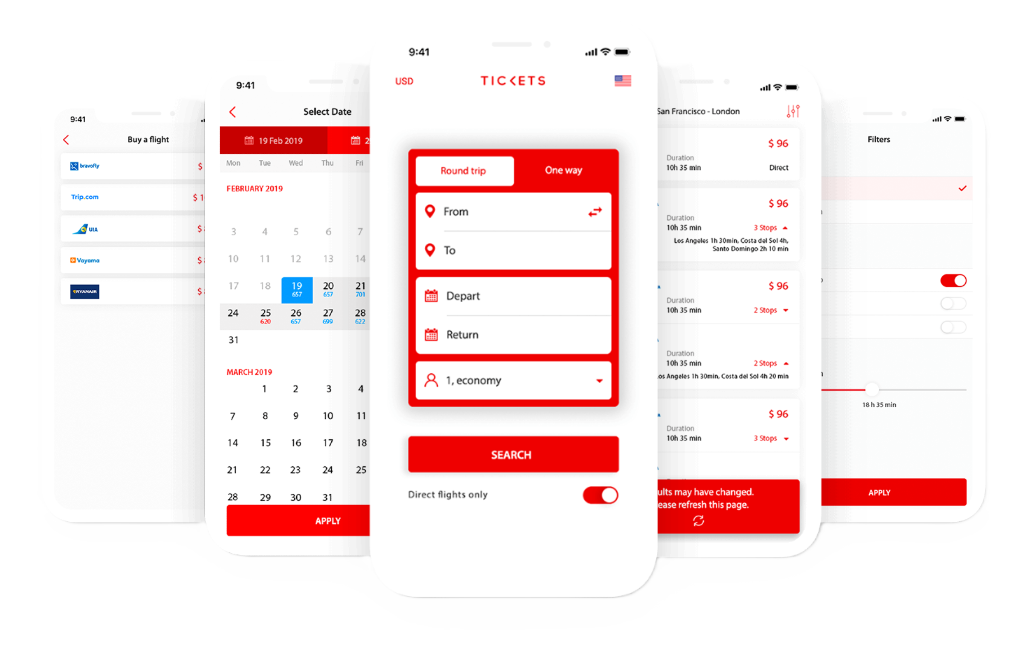
Our iOS app TICKETS scans thousands of flight deals from hundreds of airlines and providers, bringing the best global travel offers right to your fingertips.