Find Cheap Flights to Vietnam and Book Affordable Plane Tickets
Compare flight prices to Vietnam from Peru and other countries. Use our search engine to find the best deals and cheap air tickets to Hanoi or Ho Chi Minh City.














How Much Do Flights to Vietnam Cost?
Here is a summary of flight prices to Vietnam. You can see the cheapest round-trip offer, the best time to book, and the average travel duration from Peru.
Cheap Flight Deals to Vietnam
Explore the best flight deals to Vietnam, including cheap air tickets to Ho Chi Minh City and Hanoi. Compare round-trip prices and find affordable flights to Da Nang for your next trip.
Best Time to Buy a Flight to Vietnam
To secure the best prices on cheap air tickets to Vietnam, the ideal time to book is between 24 and 30 weeks before departure. Booking within this window allows you to avoid last-minute increases and take advantage of the most competitive fares. Prices tend to rise significantly if you wait less than two weeks, and they may also be slightly higher if you book too far in advance.
Essential Travel Guide for Your Vietnam Adventure from Peru
Understanding the practical aspects of travel is key to a smooth experience. This guide offers vital tips on transportation, currency, local customs, and more, helping you prepare for your visit to Vietnam.
Peruvian citizens need a visa to enter Vietnam, even for short stays. It is crucial to process it in advance, either through the Vietnamese embassy or by applying for a 'Visa on Arrival' (VOA) with a pre-approval letter. Ensure your passport has at least six months of validity from the date of entry. Also, always carry copies of your important documents separate from the original in case of loss or theft. Check health requirements, such as recommended vaccinations, before traveling. Planning this ahead of time will prevent any last-minute inconveniences at the airport. The visa is a mandatory step, so don't leave it until the end. Proper document preparation ensures a smooth entry into the country. Consider also obtaining travel insurance that covers medical emergencies and cancellations, as health services can be costly for foreigners. The peace of mind of having everything in order is worth the investment.
Getting around Vietnam is easy and affordable. For long distances, overnight buses (sleeper buses) are popular and very cheap, connecting major cities like Hanoi and Ho Chi Minh City. Trains, especially the Reunification Express, offer a comfortable and scenic way to travel from north to south. To get around within cities, use metered taxis or ride-hailing apps like Grab (similar to Uber), which is very common and safe. Rental motorcycles are an option for the more adventurous, but traffic can be chaotic. Always agree on the price with taxi drivers or 'xe om' (motorbike taxis) before getting in if they don't use a meter. Domestic flights are fast and affordable for skipping large distances, such as from Hanoi to Da Nang. Local public transport, although limited in some cities, is useful for short distances. Planning your route in advance will save you time and money.
The local currency is the Vietnamese Dong (VND). Cash is king, especially in markets and small businesses. ATMs are common in cities but may charge high fees. It is better to withdraw large sums at once. Credit cards are accepted in large hotels and upscale restaurants, but don't expect to use them everywhere. Haggling is common in markets, but do it with a smile and respect. For a daily budget, you can spend between 30 and 50 USD per person, including accommodation, street food, and local transport. A common mistake is carrying only US dollars; exchange to VND upon arrival to get better rates. Avoid exchanging money at the airport unless necessary. Exchange houses in the city center usually offer better values. Always check your change, as the denominations of the bills can be confusing at first.
Vietnamese people are kind and respectful. It is important to dress modestly when visiting temples and pagodas, covering shoulders and knees. Take off your shoes before entering homes or temples. Using both hands when giving or receiving something, especially money, is a sign of respect. Avoid touching someone's head, as it is considered the most sacred part of the body. Public displays of affection are uncommon. Learning a few basic phrases in Vietnamese, such as 'Hello' (Xin chào) and 'Thank you' (Cảm ơn), will be greatly appreciated. The culture focuses on community and family. Be patient and smile often; this helps a lot in communication. Do not point at people with your finger. At the table, wait for the eldest person to start eating. These small gestures of respect will enhance your interaction with locals and enrich your trip.
Vietnam is generally safe, but pickpocketing and bag snatching are common in crowded tourist areas, especially by people on motorbikes. Keep your valuables secure and avoid wearing flashy jewelry. Be careful with taxi drivers who refuse to use the meter or take long routes. Use taxis from reputable companies or Grab. If you rent a motorbike, inspect it thoroughly and never leave your passport as collateral. Money exchange scams are another concern, so count your money carefully. In markets, if you haggle, make sure the agreed price is what you pay. Do not buy train or bus tickets from street vendors. Trust your instinct; if an offer seems too good to be true, it probably is. Always have your hotel number and address written in Vietnamese handy. Prevention is the best tool against petty crimes.
Vietnamese food is fresh, flavorful, and one of the best in the world. Don't miss 'Phở' (noodle soup), 'Bánh Mì' (Vietnamese sandwich), and fresh spring rolls. Street food is safe and delicious; look for stalls with many locals. Try Vietnamese coffee, strong and sweet, often served with condensed milk. For an authentic experience, take local cooking classes. Regarding drinks, 'Bia hơi' (fresh, very cheap draft beer) is a social tradition. Always drink bottled water. Hygiene at street stalls is usually good, but choose places that prepare food on the spot. The variety of tropical fruits is incredible and you must try them. Night markets are excellent for trying many different dishes at very low prices. Eating in Vietnam is an adventure in itself.
Vietnam is divided into three main regions: North (Hanoi, Ha Long Bay, Sapa), Central (Hue, Da Nang, Hoi An), and South (Ho Chi Minh City, Mekong Delta). For a two-week trip, consider choosing two regions so as not to rush. The North offers mountainous landscapes and rich history. The Center is known for its beaches and imperial cities. The South is vibrant and commercial. Domestic flights are the best way to connect these regions quickly. When planning, set aside time for spontaneous exploration. Don't try to see everything; enjoy immersing yourself in specific places. A good itinerary could be: 4 days in the North, 5 days in the Center, and 5 days in the South. Use TICKETS.PE to find cheap flights between these cities and optimize your travel time. The key is to balance popular tourist sites with local life.
Due to the length of Vietnam, the climate varies greatly. The North has four distinct seasons (cold winters in Hanoi), while the South is tropical year-round (hot and humid). Pack light, breathable clothing, but include a light jacket if visiting the North in winter or the mountainous areas. A raincoat or umbrella is essential, as tropical rains can be sudden. Comfortable walking shoes are a must. A universal adapter is necessary for Vietnamese plugs (type A, C, and G). Don't forget sunscreen and insect repellent. For temple visits, wear clothes that cover your knees and shoulders. Packing light will make it easier to move around, especially if you use buses or trains. Remember that you can buy almost everything you need at very low prices in Vietnam, so don't worry if you forget something essential.
Which Airports Should You Fly to to Reach Vietnam from Peru?
Vietnam has several key international airports. For flights from Peru, you will most likely land in Hanoi or Ho Chi Minh City. Choosing the right airport can save you time and money, depending on your final destination in the country.
Which Airlines Fly to Vietnam from Peru?
Due to the long distance, there are no direct flights from Peru to Vietnam. Your trip will include at least one or two stopovers, generally in North America, Europe, or Asia. These are the main airlines that facilitate the route, offering economic plane tickets to Vietnam.
Where to Fly from Vietnam with TICKETS.PE?
Vietnam is an excellent starting point for exploring Southeast Asia. From Hanoi or Ho Chi Minh City, you can find affordable plane tickets to many nearby destinations. Take advantage of low-cost Vietnam flights to continue your adventure.


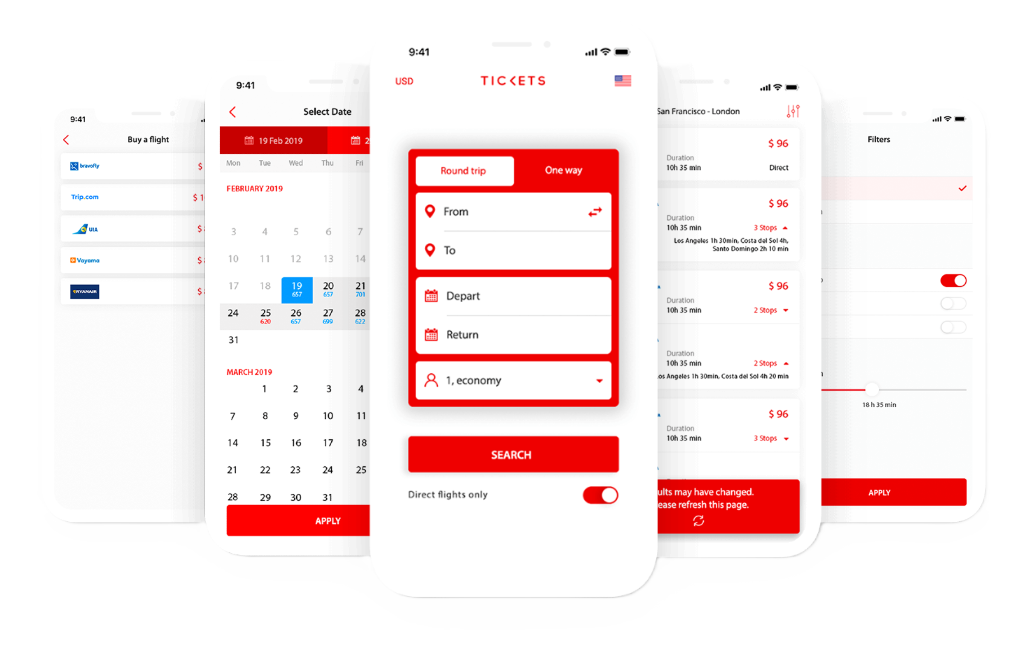
Our iOS app TICKETS scans thousands of flight deals from hundreds of airlines and providers, bringing the best global travel offers right to your fingertips.